

Key facts at a glance
- Meta's agentic AI assistant, Muse, has reportedly moved from internal testing to a limited closed alpha or beta phase.
- Access to Muse will be controlled through a waitlist and invite codes, indicating a slow and deliberate rollout.
- An App Store listing shows Muse can perform proactive actions, request user approvals before sending messages or spending money, and track prices for tickets and reservations.
- Muse supports connectors for popular services such as Gmail, Google Calendar, Peloton, HealthEx, and potentially users' bank accounts and card providers to track expenses and suggest canceling unused subscriptions.
- Privacy concerns over Meta's handling of user data could affect public adoption of this powerful AI agent.
Meta has been pushing aggressively into artificial intelligence over the past several months. From AI-powered glasses to language models and image generation, the company is trying to establish itself as a leader in the AI space. Now, a new report suggests that Meta is one step closer to launching its own agentic AI assistant, called Muse. Unlike a simple chatbot, Muse is designed to take action on a user's behalf across many connected apps and services. That includes handling tasks, managing emails, tracking expenses, and even tapping into users' bank accounts. The idea is ambitious, but it also raises serious questions about privacy, trust, and how much access users should grant to a company with Meta's track record.
Muse moves into closed testing
Meta's Muse AI agent has apparently moved beyond internal testing. According to a recent report, the agent is now in what is described as a limited closed alpha or closed beta phase. The exact testing stage remains unclear, but the important detail is that Meta is not opening the floodgates to everyone. Users who want to try Muse will need to join a waitlist or enter an invite code before they can access the app. This type of controlled rollout is common for AI products that require access to sensitive user data. It allows Meta to test features, gather feedback, and address potential issues before making the app widely available.
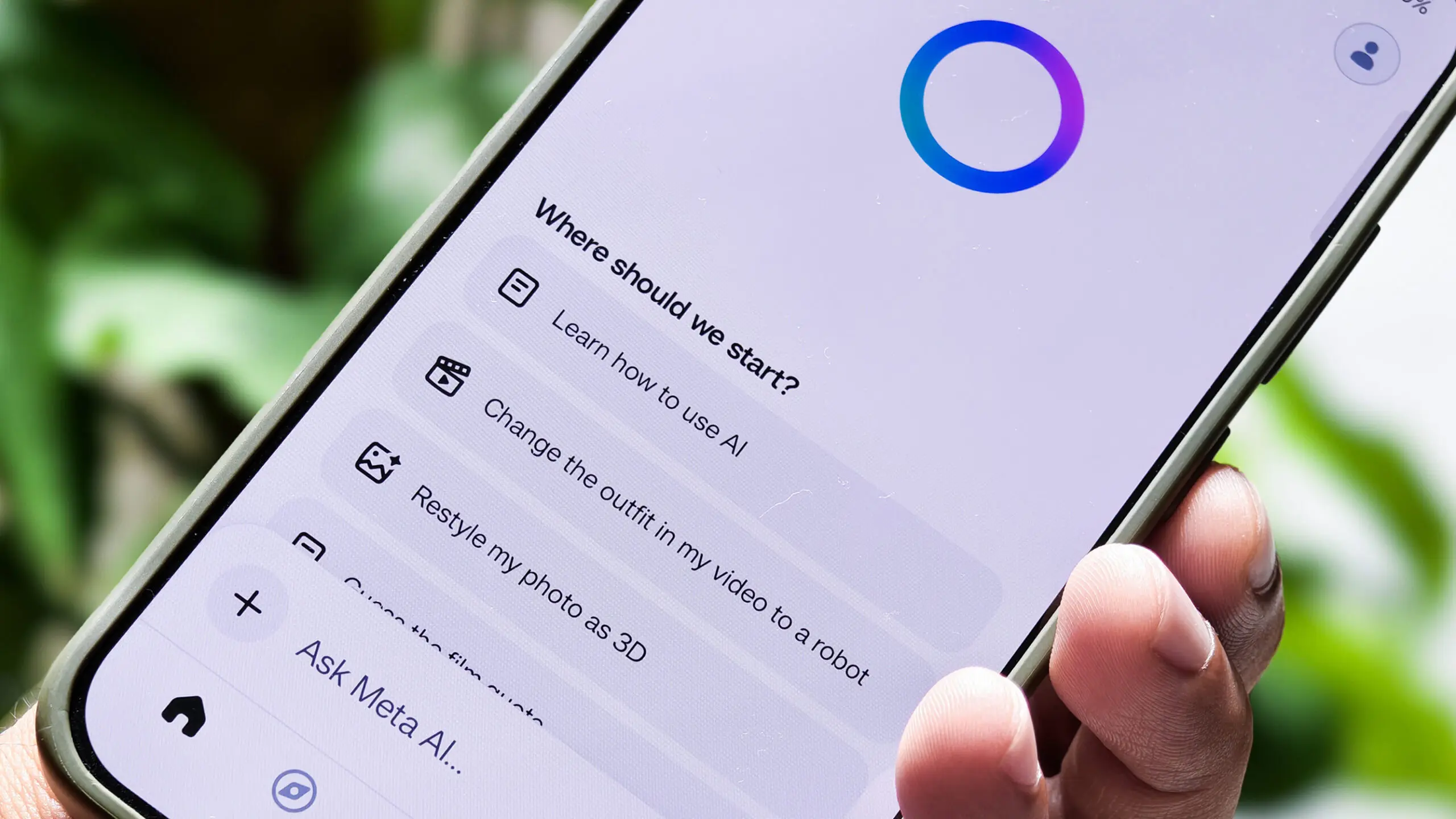
The report also points to an App Store listing for an app called 'Muse from Meta.' The listing includes screenshots and a fairly detailed description of the app's features. Based on that listing, Meta is positioning Muse as an agentic AI assistant that can handle a wide range of tasks directly on a user's device. The screenshots reportedly showcase features such as proactive actions, user approvals before sending a message or spending money, and price tracking for tickets and reservations.
What Muse can do
Agentic AI is a broad term that refers to AI systems that can perform tasks with a degree of autonomy. Instead of simply answering questions, an agentic assistant can plan and execute a series of actions to achieve a goal. For example, if a user asks Muse to schedule a meeting, the AI might check available times across calendars, contact attendees, and send out invitations. The screenshots from the App Store listing suggest that Muse can do much more than that.
The app appears to support multiple 'connectors,' which are essentially integrations with third-party services. Common connectors include Gmail, Google Calendar, and health-related apps like Peloton and HealthEx. With those connections, Muse could read emails, manage events, and track fitness data. The agent might also be able to draft email replies, set reminders, and organize a user's daily schedule based on contextual information.
One of the more striking capabilities mentioned in the report is price tracking. Muse might watch ticket prices for events or reservations and alert users when prices drop. That could be incredibly useful people who want to save money on travel or entertainment. But it also shows that Muse will constantly monitor messages likely to scan inboxes to find those tickets and reservations.
Connectors and financial access
Another one of the most significant revelations is Muse's potential ability to connect with users' bank accounts and card providers. The report says the AI agent could track expenses, analyze spending patterns, and even suggest canceling unused subscriptions to help users save money. That is a very powerful capability, but it is also a scary proposition from a privacy perspective.
It is important to note, however, that connecting to banking services does not necessarily mean Muse has direct access to a user's financial institution. The app might simply rely on bank and credit card statements that arrive by email. Since many banks send transaction alerts and monthly statements to users' inboxes, an AI agent with Gmail access could parse those emails to extract spending information. This would give Muse the ability to summarize expenses and identify recurring charges without needing a formal connection to a bank server.
Still, the possibility of an AI assistant reading sensitive financial information is unsettling. Meta has been involved in multiple privacy controversies over the years, and many users are not willing to trust the company with their banking details. Even if Muse only reads email summaries, the potential for misuse is high. A system with broad access to emails, calendars, health data, and financial statements could reveal a tremendous amount about a person's life.
The App Store listing also indicates that Muse will require user approval before taking certain actions. For example, before sending a message or spending money, the AI would ask the user to confirm. This is a critical safety feature for an agentic AI system. It gives users some control over what Muse does on their behalf. But not every action can be monitored in real time. Proactive actions, by nature, may happen while the user is not actively looking at the app. That is when the risk of a mistake or unwanted behavior becomes higher.
Privacy concerns and Meta's reputation
Meta's reputation for protecting user privacy is not impressive, to say the least. The company has faced fines, lawsuits, and public criticism over its handling of user data. The Cambridge Analytica scandal demonstrated how data collected through third-party apps could be used in ways that users did not anticipate. Since then, Meta has tried to improve its image, but many remain skeptical.
Giving an AI assistant access to bank accounts, calendars, email, and health apps is a massive request. Users would be placing an enormous amount of trust in Meta. In exchange, they get the convenience of automated task management and proactive recommendations. But the potential downside is just as large: if Meta mishandles that data, the consequences could be severe.
Meta has argued that on-device processing can help protect privacy. Some of its recent AI developments have included local models that can run directly on a device. That approach means user data does not necessarily have to leave the phone for the AI to work. But for features like price tracking and expense management, some data will likely need to be processed in the cloud. The line between on-device processing and server-side processing is not always clear.
Muse is not Meta's only AI effort. The company has been rolling out updates to its AI services in recent months. With the rise of competitors like Google's Gemini, Meta has been eager to showcase its own capabilities. Reports have suggested that Meta was preparing a new AI called Muse Spark to take on Gemini. Meta has also released a local AI model, which could serve as the foundation for future privacy-focused AI products. These moves show that Meta is serious about becoming a major player in the AI assistant market.
How Muse fits into the broader AI landscape
The concept of an AI assistant that can interact with apps and services on a user's behalf is not entirely new. Google has been integrating Gemini into its suite of products, allowing it to access Gmail, Maps, and Calendar. Microsoft has been pushing its Copilot assistant across Windows and Office. OpenAI has introduced tools that can browse the web and perform tasks through ChatGPT. Meta's Muse, however, is distinctive because of the breadth of access it appears to seek on mobile devices.
Meta already owns a number of popular communication platforms, including WhatsApp and Instagram. If Muse is integrated with those platforms, it could potentially manage messages, compose responses, and even interact with businesses on behalf of users. The App Store listing reportedly focuses on connectors with third-party services, but it would not be surprising if Meta eventually adds its own apps to that list. That could create a seamless experience, but it would also strengthen Meta's already significant control over how users communicate and consume information.
The business model behind such an AI assistant is still unclear. Meta's previous AI features have often been free, but the company has explored subscription options in some regions. If Muse offers an outstanding experience, Meta might consider charging a monthly fee for premium features. Alternatively, the assistant could remain free while Meta uses the data it processes to improve its advertising systems. In that case, the real cost of using Muse may be a further loss of privacy.
Will users trust Muse?
The central question is whether everyday users will be willing to hand over such sensitive information to Meta. Some people may not think twice about linking their email and calendar to an AI assistant. Others will be more cautious, particularly those who have followed Meta's history of data-related controversies. The closed testing phase with waitlists and invite codes suggests that Meta itself is aware of the need to proceed carefully.
For users who do decide to use Muse, it will be important to review exactly what permissions the app requests. Many apps ask for broad access to emails or notifications, and users often grant those permissions without a second thought. Muse might need such access to function effectively, but that also creates a single point of failure. If the account is compromised, an attacker could potentially read emails, view calendars, monitor spending, and access health data.
Meta might also need to comply with new regulations in some regions. The European Union has strict data protection laws, and other countries are tightening their privacy rules as well. Meta has had to adjust its AI plans before to comply with regulatory requirements. A product like Muse, with its expansive access to personal data, would almost certainly attract scrutiny from data protection authorities.
On the positive side, agentic AI has the potential to simplify daily life in meaningful ways. Managing multiple inboxes, scheduling appointments, tracking expenses, and monitoring subscriptions can be tedious. An assistant that can handle all of that, with appropriate safeguards, could save users hours each week. Muse could also help people identify unused subscriptions, cancel wasteful spending, and make informed decisions about their finances. The convenience factor is undeniable.
Meta appears to have invested significant resources into making Muse a polished product. The App Store listing is detailed, and the features are aligned with the growing trend of agentic AI. By moving Muse into a closed testing phase, Meta is taking a measured approach. But the real test will happen when the app becomes available to a broader audience and users must decide whether they trust Meta enough to let it into the most intimate corners of their digital lives.
The success of Muse may depend less on the underlying technology and more on Meta's ability to convince the public that their data will be protected. Without that trust, even the most capable AI assistant will struggle to gain adoption. Meta has a long history of asking for user data, but this time it is asking for much more: direct access to the tools and accounts that people rely on every day. Whether that trust will be granted remains to be seen.
Source:Android Authority News