

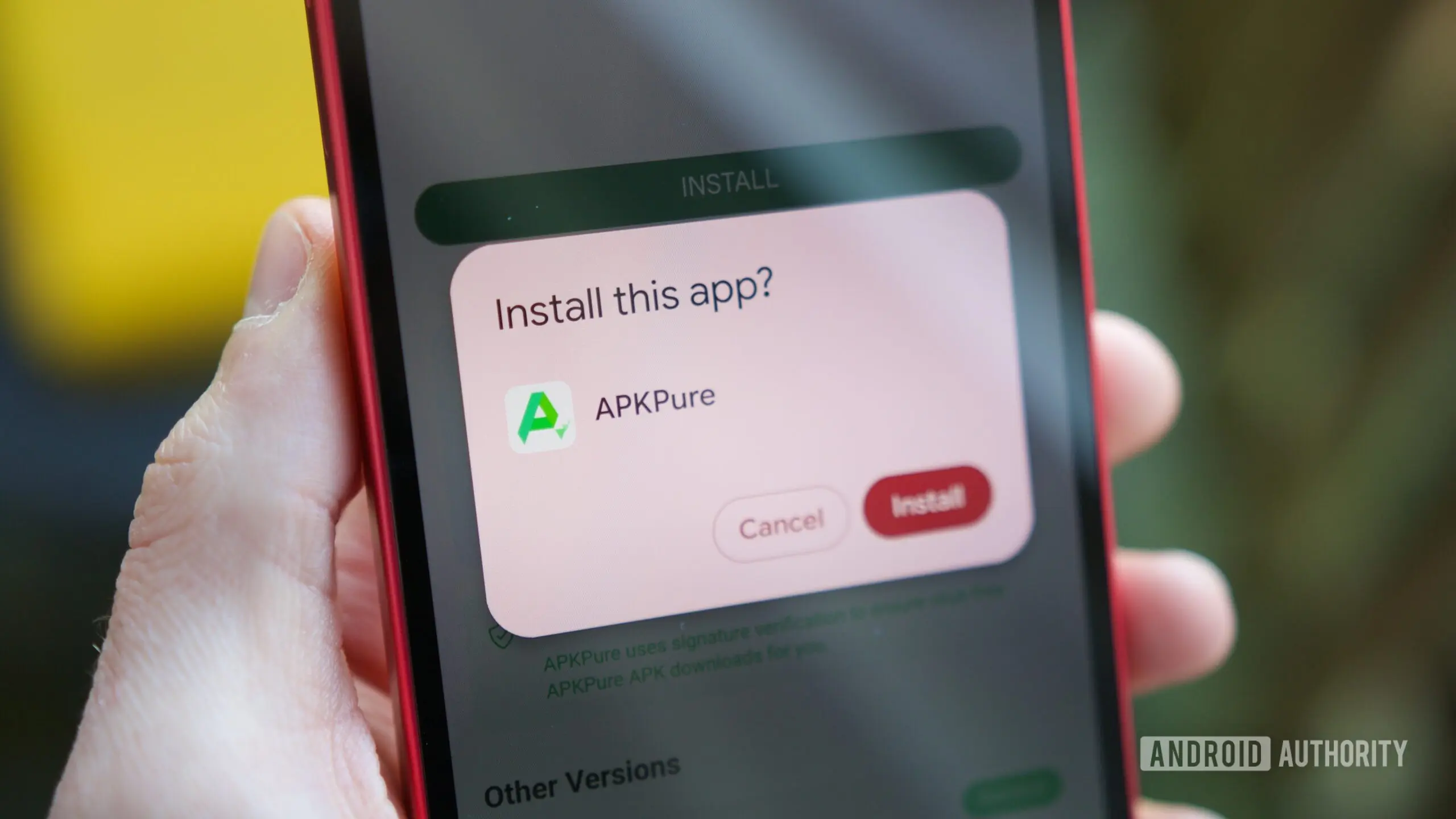
Android has long been celebrated for its open ecosystem, giving users the freedom to install software from any source, not just a single official store. That flexibility is under pressure as Google rolls out stricter sideloading measures designed to protect users from malicious apps. But according to a recent community poll, the extra steps are not deterring the platform's most passionate fans. More than four in five respondents say they are still willing to sideload apps, either regularly or selectively, even as Google introduces new friction.
What Is Sideloading and Why Does It Matter?
Sideloading refers to the process of installing an Android application package (APK) directly onto a device, bypassing the Google Play Store. Users often sideload for a variety of reasons. Some want access to apps that are unavailable in their region. Others seek beta versions of their favorite software before an official Play Store release. And many rely on repositories like F-Droid, which host open-source apps that Google may not allow due to restrictive policies on background data usage or permission models.
Independent developers also use sideloading to distribute applications without paying Google's registration fees or adhering to its often murky content rules. For power users, the Play Store is simply a starting point. They appreciate the ability to control which apps are installed and where those apps come from. This control has been central to Android's identity since its earliest days, positioning the platform as a more open alternative to Apple's iOS.
Google's New Sideloading Safeguards
Google has been tightening its approach to sideloading for several years. In recent Android versions, the company introduced a series of checks that users must navigate before completing an installation from an unknown source. These checks often warn about potential risks and ask users to confirm their intent. The newest measures go further by adding a 24-hour delay and a mandatory device restart in certain circumstances. When a user attempts to install an app from a suspicious source, Android may pause the process, requiring them to wait a full day before continuing. The system can also force a reboot to clear any temporary state that might have been exploited by malicious actors.
Google says these safeguards are aimed primarily at scammers who trick victims into granting accessibility permissions or accepting malicious APKs through social engineering. By adding a cooling-off period and additional confirmations, the company hopes to reduce the effectiveness of scam campaigns that pressure users into acting quickly. While the intent is clearly security-focused, the side effect is an added burden for people who routinely sideload trusted apps from reputable sources like GitHub or F-Droid.
The updates have not yet reached every Android user, and Google's rollout seems to be gradual. This means many enthusiasts still have not experienced the full impact of the advanced flow. However, as the feature becomes more widespread, the community is likely to feel its effects more acutely. That has sparked a broader conversation about how far an open platform should go to lock down its own users, even with good intentions.
The Poll: Sideloading Is Still Worth the Hassle
To gauge how Android users feel about these changes, a poll was conducted asking whether sideloading apps outside the Play Store is still worth the added effort. The poll attracted just under 2,200 votes, and the results are striking. More than 47.5 percent of respondents said the 'hassle' of installing apps beyond the Play Store is 'always' worth it. Another 36.6 percent said they are happy to sideload, but only for certain applications that justify the extra steps. Taken together, these groups represent more than 84 percent of the voting participants.
Only 16 percent of respondents said they exclusively use the Google Play Store for their Android app needs. That figure might seem low, especially given that the Play Store remains the default and most convenient source of Android apps. Yet it reinforces the notion that a significant share of Android's most engaged users values sideloading as a core feature of the platform. For them, the Play Store is not the be-all and end-all of application distribution, and the added friction is a minor trade-off for having options.
The poll results also hint at a potential headache for Google. If the advanced sideloading flow makes installation significantly more cumbersome, users may become frustrated with their Android experience. Some may shift toward rival app stores or automated tools that make sideloading easier. Others might even consider alternatives to Android that offer similar openness. Google has to balance its security goals with the expectations of its user base, many of whom choose Android precisely because it allows sideloading in the first place.
The Power User Perspective
Daily sideloading is common among technology enthusiasts. For example, users might install Breezy Weather, a feature-rich weather application that closely resembles Pixel Weather but adds far more customization. Apps like these are often distributed through alternative stores or developer repositories because they include features that would violate Play Store policies or because their developers prefer to avoid Google's review process. Breezy Weather is just one of many examples of how sideloading opens the door to software that would otherwise be impossible to find.
Other popular sideloaded applications include YouTube clients with built-in ad-blocking, file managers with root browser support, and privacy-focused messengers that rely on peer-to-peer communication. Many of these apps cannot be published on the Play Store due to policy restrictions regarding advertisements, background services, or permissions. For the people who rely on them, sideloading is not an occasional thrill but a necessity for day-to-day use.
That is why the community response to Google's safeguards has been cautious. While power users appreciate stronger security, they also worry that aggressive warning screens, forced waiting periods, and restarts will make the process unpredictable. If Google eventually requires biometric authentication for every sideloaded update, or if it starts blocking certain app stores altogether, casual users may be pushed away from sideloading entirely. The fear is that security protections could morph into a broader strategy to eliminate third-party app distribution altogether.
Security and Friction: Finding the Balance
It is true that sideloading introduces genuine security risks. Malicious APKs are among the most common ways Android devices become infected with malware, and scammers frequently trick users into permitting dangerous features like screen overlay or accessibility access. Google has a responsibility to protect its users, especially those who are less technical and may not understand what sideloading actually does. The challenge is designing safeguards that stop criminals without treating every user like a potential victim.
The 24-hour delay is particularly controversial. A user who discovers a beta version of a favorite app might be excited to test it immediately. Being forced to wait a full day can diminish that enthusiasm. Mandatory restarts add another layer of annoyance, especially if the user is in the middle of an important activity. These measures might be effective at reducing scam-related installations, but they also punish people who know exactly what they are doing.
Google's approach will likely evolve as the rollout expands. User feedback and behavioral data will shape future versions of the advanced flow. Some compromises might emerge, such as allowing trusted sources to be whitelisted or providing a power-user mode that reduces warnings for repeat sideloaders. Until then, the tension remains between an open Android and a secure Android, and the community is watching closely.
Looking Ahead
The poll clearly demonstrates that sideloading is not going away. Even with Google's best security efforts, Android users continue to see the Play Store as just one option among many. The demand for alternative apps and independent software distribution remains strong, and developers have no shortage of incentives to offer their products outside Google's official marketplace.
As Google refines its protection mechanisms, it will have to decide how much friction is acceptable for its most loyal supporters. The company's own statistics show that sideloading accounts for a small fraction of Android installations, but that small fraction includes some of the platform's most vocal and influential advocates. Losing that group's goodwill could have long-term consequences for Android's reputation among tech enthusiasts.
For now, many users have yet to see the new advanced flow in action. Once it reaches a wider audience, the results of future polls may shift as more people experience the extra hoops firsthand. But the underlying sentiment is clear: the Play Store alone is not enough for a large portion of the Android community. The freedom to install apps from anywhere is part of the platform's DNA, and users are unlikely to give it up without a fight.
As Android continues to evolve, the conversation around sideloading will remain heated. The balance between security and openness is never easy, and Google finds itself at the center of that debate. Whether the company can satisfy both its security team and its power users is an open question. The response to this poll suggests that Android enthusiasts are ready to adapt, but they will not stop pushing for the freedom that makes Android unique. The coming months will be telling as Google's new sideloading flow makes its way to more devices, and users across the globe decide whether the extra effort is worth it.
Source:Android Authority News