

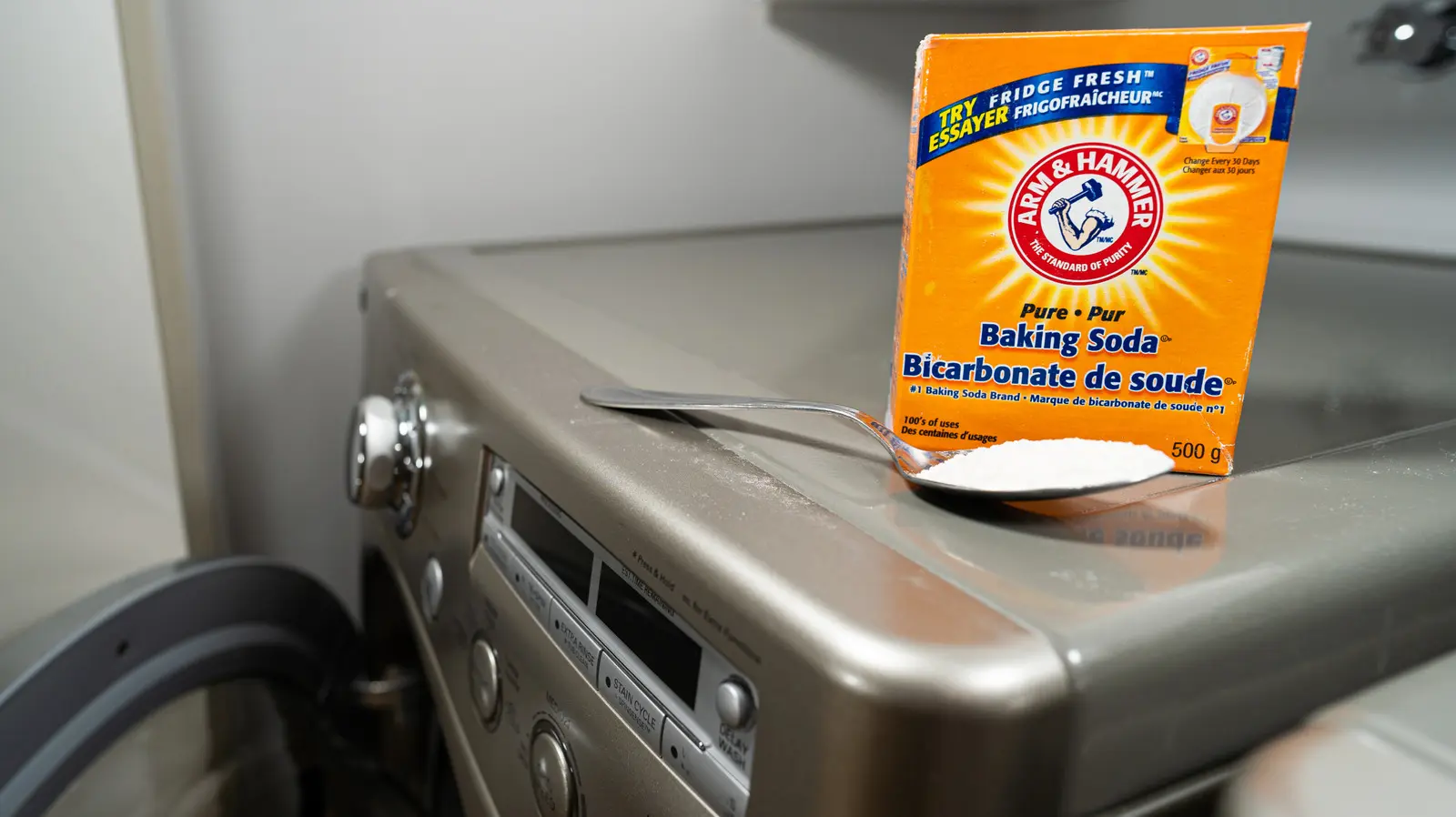
Cleaning a washing machine is easy to put off, but it is an important part of keeping the appliance working well. Over time, detergent residue, fabric softener buildup, hard-water minerals, and even mold can collect inside the drum, seals, and dispensers. Many people look for inexpensive, everyday solutions, and baking soda often comes up as a popular option. It is true that baking soda can help freshen a washer and loosen some types of buildup. However, before you sprinkle it into the drum, it is essential to check the owner’s manual for your specific model.
Baking soda is not a universal cleaning product. Some manufacturers approve its use for routine maintenance, while others warn that certain baking soda formulations or detergents containing baking soda may damage their washers. Still, for many standard washing machines, a simple cycle with baking soda can be a useful way to keep the drum smelling fresh and reduce the grime that builds up from everyday laundry.
What baking soda does inside a washing machine
Baking soda, also known as sodium bicarbonate, is a mild alkaline compound. This chemical property makes it useful for breaking down certain types of acidic soils and residue. Because it is not as harsh as some commercial cleaners, it is often seen as a gentle option for routine deodorizing. When dissolved in warm or hot water, baking soda can help neutralize odors and loosen light films that develop on the inner surfaces of a washer.
The cleaning action of baking soda is modest compared to dedicated washing machine cleaners. It is not designed to remove heavy scale, sanitize the drum, or break down thick mold buildup. But as a maintenance step, it can reduce musty smells and leave the tub feeling less slippery from detergent residue. Some major appliance manufacturers, including Maytag and Whirlpool, have said that baking soda is generally safe to use in most of their washing machines for cleaning and deodorizing. They still advise following the instructions in the manual and using the correct amount.
Before you begin: check the owner’s manual
The most important step in any washing machine cleaning routine is reading the manufacturer’s recommendations. Not all washers are built the same. A product that works well in a top-loading agitator machine might not be suitable for a front-loading high-efficiency washer or a washer-dryer combo unit. Manufacturers test their machines with specific detergents and cleaning agents, so they know which ingredients are safe for seals, pumps, hoses, and drum coatings.
Some appliance brands are more cautious than others. Samsung, for example, has warned that detergents containing baking soda can damage its washers. This does not mean every Samsung owner must avoid baking soda completely, but it is a strong warning to review the manual before using any product that lists baking soda as an ingredient. GE has also listed baking soda among products it does not recommend for its UltraFast Combo model, noting that the product has not been fully tested on that unit. This kind of guidance does not necessarily mean baking soda is dangerous, but it does show how important it is to follow the manufacturer’s advice rather than relying on generic online tips.
A simple step-by-step cleaning method
For washing machines where baking soda is approved, the process is straightforward. Start by making sure the drum is empty. Add half a cup of baking soda directly into the drum. If your machine has a detergent dispenser, you do not need to put the baking soda there for this kind of cleaning cycle; placing it in the drum allows it to come into direct contact with the interior surfaces.
Next, select the hottest and longest cycle available. Hot water helps dissolve the baking soda and improves its ability to break down residue. As the washer runs, the baking soda will circulate through the drum, helping to deodorize the appliance and loosen grime left behind after everyday use. Let the cycle run all the way to the end. Do not interrupt it to add clothes, and do not open the door mid-cycle unless there is an emergency.
Once the cycle finishes, leave the door or lid open so the inside of the washer can dry out completely. Moisture is the main cause of mildew and odors in washing machines, especially in front-loading models. Even if the baking soda cycle leaves the drum fresh, closing the door immediately after the cycle can allow condensation to linger, which defeats the purpose of the cleaning treatment.
Why baking soda can help clean and deodorize
Baking soda’s cleaning power comes from its chemistry. Sodium bicarbonate is mildly alkaline, meaning it has a pH above 7. This alkalinity helps it saponify or emulsify certain types of greasy soils, making them easier to rinse away. It also reacts with acidic compounds, which is why it works so well at neutralizing bad smells. Many of the odors that develop in washing machines come from bacteria and mold thriving in damp, dark areas. Baking soda changes the environment enough to help reduce those odors, though it may not kill all bacteria or mold spores.
The abrasive texture of baking soda is another reason it appears in many cleaning recipes. The fine particles can provide gentle scrubbing action when used as a paste on surfaces. In a washing machine, however, the particles are dissolved in water, so the abrasive effect is less important. The main benefits inside a washer are odor neutralization and the ability to loosen certain types of buildup, especially detergent scum that can cling to the drum and rubber gasket.
Many laundry detergent brands include baking soda in their formulas. One well-known detergent maker that uses baking soda in its products has recommended adding half a cup of baking soda to an empty washer before adding clothes as an extra cleaning boost. This reflects the idea that baking soda can support the laundry process without acting as a standalone detergent.
Baking soda has its limits
Despite the benefits, baking soda is not a direct replacement for laundry detergent. It cannot perform the same cleaning functions as a properly formulated detergent, and it should not be used as a substitute in a regular laundry load. Laundry detergents rely on ingredients called surfactants to lift dirt and grease from fabrics and hold those substances in the water so they can be rinsed away. Baking soda alone is not specifically designed for that purpose, so adding it to a load of dirty clothes without detergent will leave many stains and body oils untouched.
Baking soda also has limitations when it comes to deep-cleaning a washing machine. It may not remove hard-water scale, which often requires an acid-based cleaner such as citric acid or white vinegar. It may not break down thick mold growth inside the rubber boot of a front-loading washer or clear a clogged drain pump filter. In those situations, a dedicated washing machine cleaner or a manual cleaning with a soft brush may be necessary.
Another limitation is that baking soda can leave a residue if used too often or in large quantities. While rinsing usually removes it, an excessive amount could settle in the bottom of the drum or in the drain system. This is why following dosage recommendations is important. More is not always better when it comes to appliance care.
What manufacturers and laundry experts advise
Appliance manufacturers often provide official guidance on how to clean their products. Many recommend a monthly cleaning cycle with a washer cleaner or a mixture of household ingredients. Some suggest using white vinegar, while others recommend bleach for sanitizing. The safest approach is to look at the care section of your manual or the manufacturer’s website and follow the recommended procedure for your exact model.
For washers where baking soda is approved, a common recommendation is to run a hot water cycle with half a cup of baking soda. Some manufacturers also suggest doing a second rinse cycle to make sure no baking soda residue remains. If you notice a lingering smell after the baking soda treatment, you may need to clean the door gasket, detergent drawer, and drain filter separately. Baking soda can freshen the drum, but it cannot reach every hidden area where mold may grow.
Laundry science experts point out that surfactants are the workhorses of modern detergents. These compounds reduce the surface tension of water, allowing it to penetrate fabrics and release dirt and grease. Baking soda does not provide that same surfactant action. It can enhance the cleaning power of a detergent or help remove odors, but it is not a substitute.
Ongoing washer care and prevention
Regular maintenance is the best way to keep a washing machine clean. Simple habits can make a big difference. Use the correct amount of detergent for your machine type and load size, especially if you have a high-efficiency washer. Too much detergent creates excess suds that can trap dirt and contribute to buildup. Leave the door or lid open when the machine is not in use to allow moisture to escape. Wipe down the door seal after every few loads to remove lint, hair, and standing water. Remove laundry promptly after the cycle ends instead of letting damp clothes sit in the drum.
If you prefer using baking soda as a periodic freshener, keep it simple. Run a maintenance cycle once a month or every few months, depending on how often you do laundry. Check your owner’s manual for any specific warnings. If the manufacturer says baking soda is safe for your model, use the recommended amount. If the manual does not mention baking soda, choose a cleaning product that is explicitly approved by the brand.
A washing machine that is clean and well maintained will last longer, perform better, and leave your clothes smelling fresher. Baking soda can be part of that routine for many households, but it is not a magic solution. Understanding what it can and cannot do will help you make the right choice for your machine and your laundry needs.
Source:SlashGear News