

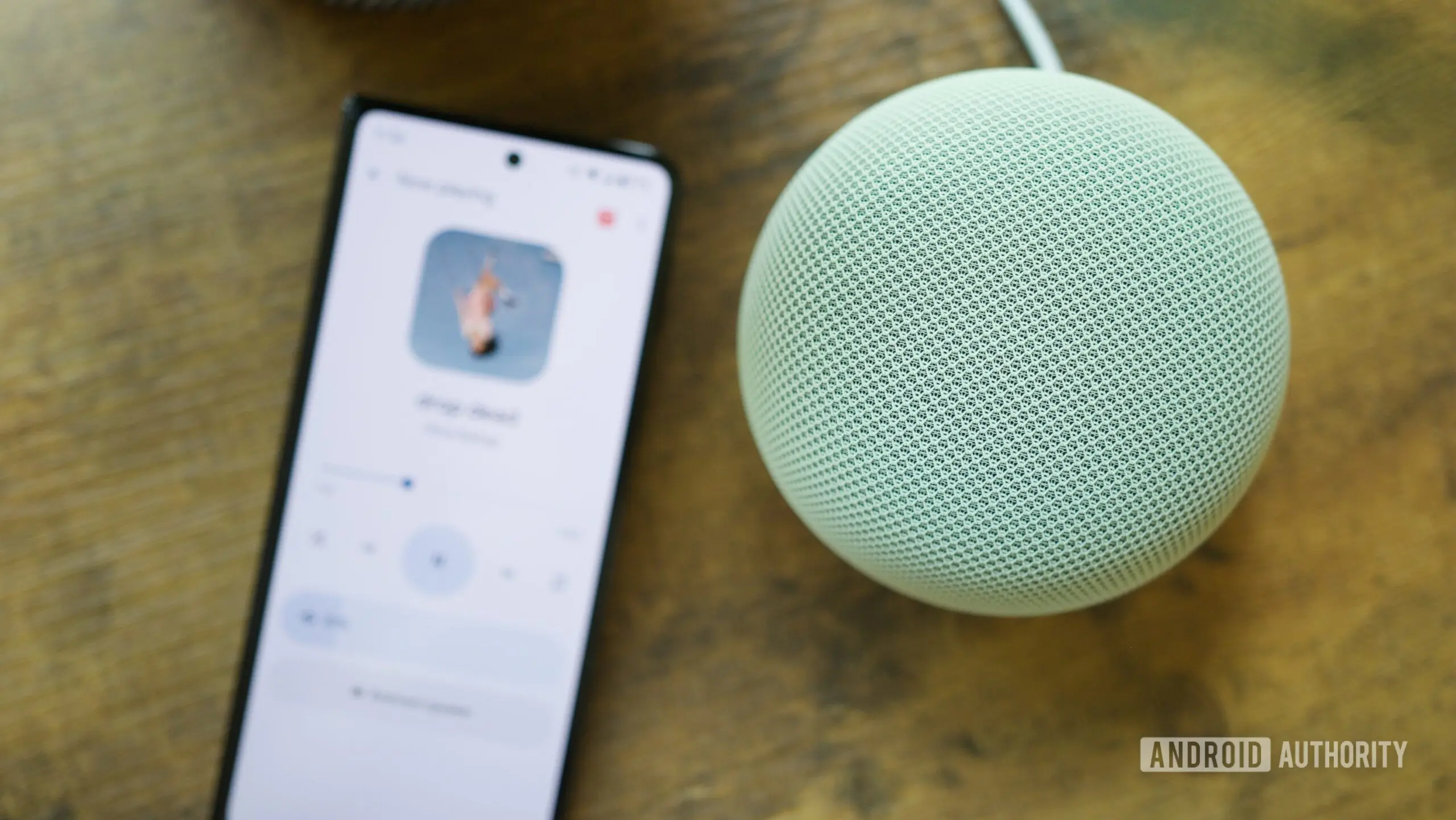
The Google Home Speaker, announced in October 2025 and finally shipping a few weeks ago, has hit a rocky start. Some users encountered a frustrating setup bug that prevented them from completing the initial configuration. The error message — “The speaker is not fully set up. Please factory reset and set up again” — left many unable to use their new device. But Google has acted swiftly, rolling out a fix less than 24 hours after confirming the issue.
A swift response from Google
Users first reported the problem on Google’s Nest Community Reddit account last week. In a thread that quickly gained traction, owners described repeatedly factory resetting their speakers, only to see the same error. Some even returned their devices, suspecting hardware defects. Google’s community manager responded promptly, stating the team was investigating. Within a day, the company confirmed it had identified the root cause and deployed a server-side fix.
“We identified the issue and have rolled out a fix for this,” announced the Nest Community account. “The fix should reach all devices within the next 24 hours, but if you are experiencing this issue, you can unplug and replug in your speaker to immediately receive the fix.”
What caused the error?
While Google has not disclosed the exact technical details, the error appears to be a provisioning glitch during the initial Wi-Fi and account linking process. When a user sets up a smart speaker, the device must authenticate with Google’s servers, register in the Google Home app, and download the latest firmware. A missed handshake or a stale cache on the server side likely triggered the “not fully set up” message. Similar bugs have plagued other smart home devices, including the Nest Hub and Nest Audio, though they were usually patched before wide release.
The timing is particularly awkward for Google. The Home Speaker is the company’s first smart speaker built specifically for Gemini, its next-generation AI assistant. It promises deeper integration with Google Home, better contextual understanding, and improved multi-room audio. A botched launch could have deterred early adopters, especially given the $99.99 price point and fierce competition from Amazon’s Echo line and Apple’s HomePod mini.
How to apply the fix
For users still stuck on the setup screen, the solution is refreshingly simple: unplug the speaker from power, wait about 10 seconds, and plug it back in. This power cycle forces the device to initiate a fresh connection to Google’s servers, where the patched code now resides. After restarting, the Home Speaker should complete setup without the error.
Google recommends that users who have already factory reset and returned the speaker try setting it up again if they still have it. For those who exchanged their unit, the replacement should ship with the fix pre-applied, though a power cycle upon arrival is still advisable.
What if the fix doesn’t work?
Google asks that any remaining issues be reported through the official support channels. The Nest Community Reddit account will continue to monitor threads. Given the rapid turnaround, the company is confident that the problem is fully resolved. However, as with any over-the-air patch, a small subset of users may require personalized assistance.
Background on the Google Home Speaker
The Google Home Speaker was first teased at Google I/O 2025, where the company highlighted its Gemini integration. Unlike earlier Google Nest devices, which relied on the Google Assistant, the Home Speaker is designed to leverage Gemini’s advanced reasoning and creativity. It features a 58mm driver for robust audio, support for stereo pairing, and a compact form factor that fits into most rooms. Preorders began in June 2026, with deliveries starting in late June.
Initial reviews praised the speaker’s sound quality and smart features but noted the absence of a 3.5mm jack and Thread networking. The setup bug was not widely reported during early reviews, possibly because review units were pre-configured or received a different firmware version.
The importance of a smooth setup
First impressions matter in the competitive smart speaker market. A frustrating setup experience can lead to returns, negative reviews, and brand damage. Amazon and Apple have both faced similar issues: the Echo Dot experienced Wi-Fi dropout problems in 2020, and the HomePod mini had a mysterious “orange light” error that required a factory reset. Google’s quick fix sets a positive precedent, showing that the company is listening to user feedback.
For existing Google Home users, the new speaker promises to be a seamless addition to their ecosystem. It can act as a smart home hub, control compatible devices via Matter, and stream music from YouTube Music, Spotify, and other services. The Gemini integration enables more natural conversations, such as asking follow-up questions without repeating the hotword.
Competition and market context
The smart speaker market is dominated by Amazon, with over 60% market share in the US according to some reports. Google’s Nest line has held steady at around 30%, while Apple’s HomePod family lags behind due to higher prices. The Home Speaker’s $99 price puts it directly against the Echo Dot (5th Gen) and the HomePod mini. Google is betting that Gemini’s AI capabilities will differentiate the product, especially for users deeply invested in Google services like Gmail, Calendar, and Photos.
On social media, reaction to the fix has been largely positive. One Reddit user commented, “I was about to return mine, but after the power cycle it works perfectly. Thanks Google!” Another said, “Finally, my speaker is alive. The sound quality is worth the wait.” The incident has sparked discussions about beta testing and quality assurance, with some users arguing that Google should have caught the bug before launch. Nevertheless, the company’s swift resolution is likely to mitigate long-term reputation damage.
Technical insights for enthusiasts
For those curious about the underlying technology, the fix likely involved updating the OAuth token exchange process between the device and Google’s authentication server. The speaker uses a secure provisioning protocol (SPP) similar to that of Nest Thermostats. When the device fails to complete the handshake, it enters a retry loop that eventually times out, leaving it in an inconsistent state. The server-side patch probably extends the timeout window or adds a fallback mechanism to re-initiate the registration.
Users who have already connected the speaker to Wi-Fi but see the error may also benefit from resetting their router or checking for interference, though Google has stated that the error is not related to local network conditions.
Looking ahead
With the setup bug behind it, Google can now focus on promoting the Home Speaker’s unique features. The device is available directly from the Google Store and select retailers. Future firmware updates are expected to bring features like threaded conversations, guest mode, and deeper integration with Google’s AI Studio. Smart home enthusiasts are also waiting for support for Google’s new “Home & Away” routines, which use presence sensing to automate lights and locks.
The quick fix demonstrates Google’s commitment to its hardware ecosystem. As the company expands its lineup — reports suggest a Home Speaker Max and a battery-powered portable version are in development — reliability will be key. For now, early adopters can finally enjoy their purchase without frustration, and potential buyers can approach the device with more confidence.
Source:Android Authority News