

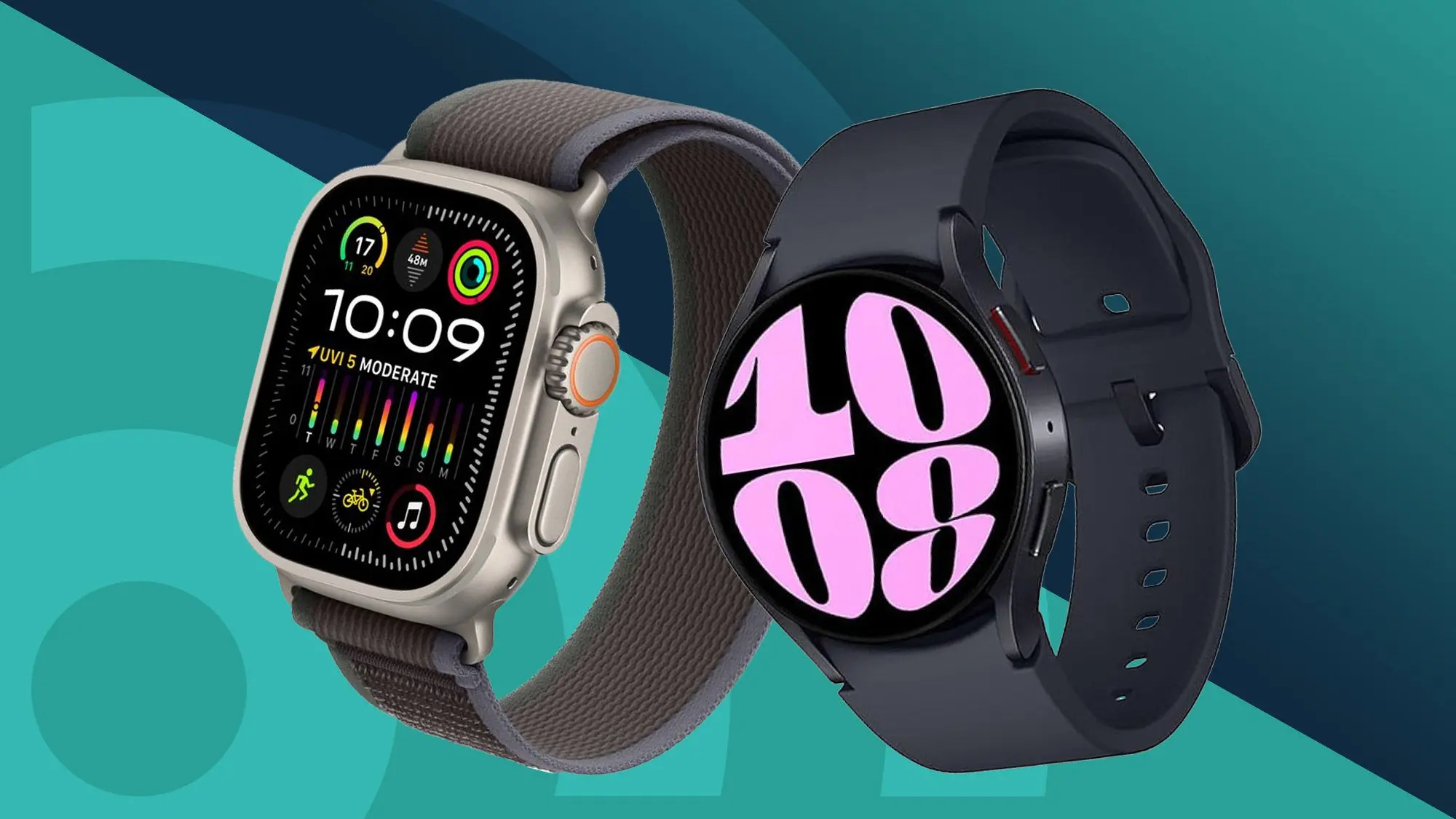
After weeks of hands-on testing and thousands of data points, one thing is clear: the best smartwatch in 2026 is no longer just a phone accessory. It has become a medical-grade health coach, a precise sports computer, and a stylish everyday companion. From the latest Apple Watch to flagship Garmin and Samsung models, this year's lineup pushes battery life, sensor accuracy, and wearable intelligence further than ever. This guide breaks down the top-tier wearable tech and fitness trackers available in 2026, highlighting the key facts that matter most.
- Apple Watch Series 11 and Ultra 3 lead the premium class for iPhone owners.
- Samsung Galaxy Watch 8 and Google Pixel Watch 4 set the Android flagship standard.
- Garmin Fenix 8 Pro and Coros Vertix 3 dominate long-battery-life fitness trackers.
- ECG, blood oxygen, skin temperature, and fall detection are now expected features.
- Battery life, not raw performance, is the main differentiator in 2026.
The New Standard for Flagship Smartwatches
Apple's Watch Series 11 is the pick for iPhone owners who want the most complete package. It inherits the powerful S10 chip from its predecessor and adds a brighter always-on display, faster charging, and a new sleep apnea notification system that has earned clearance from health regulators. The Ultra 3, meanwhile, is built for adventurers: a titanium case, dual-frequency GPS, a 3,000-nit display, and an action button that can launch workouts, waypoints, or safety features. On the Android side, Samsung's Galaxy Watch 8 series offers a refined circular design, an energy-efficient Exynos processor, and the most accurate BioActive sensor array we have tested. Google's Pixel Watch 4 also returns with a larger battery and improved Fitbit integration, closing the gap on hardware and software customisation. These flagship watches all support emergency SOS, fall detection, and international calling, making them reliable safety tools.
Fitness Tracking Gets Serious
Fitness tracking is where the 2026 class becomes truly impressive. The most notable change is the rise of multiband GPS and AI-assisted workout detection. Garmin's Fenix 8 Pro, for example, uses Enduro battery technology and a new dual-band SatIQ system to maintain location accuracy inside canyons, dense forests, and urban centers. It creates a route recovery map and suggests dynamic pacing based on heart rate variability, not just pace. For cyclists, the Forerunner 965 update includes multi-segment navigation and a Strava live segment integration that feels immediate. Meanwhile, the Polar Vantage V5 uses an updated optical HR sensor to maintain accuracy during high-intensity interval training, and Coros Vertix 3 offers a 100-day battery in combined smartwatch and workout mode. These devices prove that top-tier fitness trackers are no longer just step counters; they are adaptive coaches that respond to training load, recovery, and even heat and altitude.
Health Sensors Go Deeper
Health sensors have evolved far beyond heart rate. The 2026 lineup routinely includes 24/7 skin temperature tracking, blood oxygen saturation, electrocardiogram, and in some cases, continuous glucose monitoring compatibility. Withings and Samsung have pushed the boundaries of blood pressure monitoring: the Galaxy Watch 8 works with a compatible cuff to track hypertension over time, while the Withings ScanWatch 4 integrates a clinical-grade ECG and a high-resolution pulse oximeter. On Apple Watch, improvements to the temperature-sensing array allow women to receive retrospective ovulation estimates, and the new sleep stage algorithm uses movement and breathing patterns to identify light, deep, and REM sleep more accurately. These sensors become even more valuable when paired with the watch's ability to share data with HealthKit, Google Fit, and Oura. The key insight is that sensor accuracy is now a competitive battleground: every major manufacturer claims fewer false positives and more reliable readings during exercise.
Battery Life Breakthroughs
Battery life remains the most important dividing line in the smartwatch market. Apple still asks its customers to charge every day or every other day, but the Series 11 improves low-power efficiency with an LTPO display that can drop to 1Hz. Samsung's Galaxy Watch 8 lasts around 40 hours with the always-on display enabled, while the Ultra model stretches to 80 hours. Garmin remains the distance champion: the Fenix 8 Pro runs for 29 days in smartwatch mode and about 56 hours with GPS plus music. Coros promotes its Vertix 3 with an industry-leading 100-day smartwatch mode and 120 hours of continuous GPS tracking. For many people, this difference is the deciding factor. If you want sleep tracking, continuous health monitoring, and workout data without obsessive charging, a multi-day or multi-week watch is essential. Manufacturers are also developing faster charging: 15 minutes on Apple's new magnetic fast charger restores enough power for a day, and Garmin's solar charging now adds up to five hours of GPS usage from one hour of direct sunlight.
Displays and Design
Display technology reached a visual plateau in 2026. The best smartwatches now use LTPO OLED panels that provide 2,000 to 3,000 nits of peak brightness, usable in direct sunlight, and a permanent-on experience that still saves power. Thinner bezels dominate the design language. Samsung and Google have reduced bezels to nearly invisible levels, making the watch face the entire front surface. Apple's Ultra 3 uses sapphire crystal over a flat titanium frame, and Garmin continues to offer a variant with a sapphire lens for extreme durability. This is not just about looks: the raised bezels and reinforced frames reduce the chance of screen damage during rock climbing, cycling, and mountaineering. The 2026 crop also increases customisation options. Quick-release straps, watch face complications, and interactive widgets let you adapt the display to your habits. On the software side, new watch faces can display real-time metrics from multiple apps, from training readiness to weather radar.
Software and Ecosystem
Software and ecosystem are now as critical as hardware. Apple's watchOS continues to lead in polish, with a redesigned Control Center and a revamped Smart Stack that surfaces the right card at the right moment. watchOS 2026 also improves third-party watch face support and adds deeper integration with the Health app. Samsung's One UI 7 Watch brings a smoother experience and enhances Galaxy AI health insights, including energy score and personalised wellness tips. Google's Wear OS 5.1 is the most open platform, offering the largest selection of apps from both Google Play and third-party developers. One important development is the standardisation of on-device AI processing. Rather than sending every request to the cloud, new watches use a dedicated NPU for real-time coaching, fall detection, and voice dictation. This improves privacy and speeds up responses. If you already live in a particular ecosystem, this will often determine which watch is best for you.
Best Budget and Mid-Range Wearables
Not everyone needs a flagship. The best budget and mid-range smartwatches of 2026 offer many of the same sensors and features at a lower price. The Samsung Galaxy Watch FE 2 delivers a heart rate monitor, sleep tracking, and IP68 water resistance for under $250. The Google Pixel Watch 3a brings Wear OS 5, a bright OLED display, and Fitbit's daily readiness score for around $279. In the fitness-first category, the Garmin Forerunner 165 is the best value for runners, with a multi-band GPS and a new training readiness feature. For basic notifications and activity tracking, a Fitbit Charge 7 or an Amazfit Balance 2 can handle your needs at an even lower price. These watches often cut premium materials or wireless charging, but they rarely cut the essential health sensors. The mid-range market has become so good that many experts recommend it for first-time smartwatch buyers.
Choosing the Right Watch for Your Lifestyle
Choosing the right watch in 2026 comes down to a few important questions. If you use an iPhone, an Apple Watch is usually the only option if you want deep integration. Android users should ask whether they prefer Samsung's health suite, Google's Fitbit integration, or the more athletic focus of Garmin and Polar. For athletes, battery life and GPS accuracy are paramount. For everyday users, display durability and notification management matter most. We also recommend considering your long-term health goals. The best smartwatch is one that you will actually wear every day, so weight, comfort, and band choices are not trivial. Try your top candidates in a store, or buy from retailers with a generous return policy, because a watch that feels perfect on paper can feel heavy on your wrist. With so many excellent devices in 2026, the biggest challenge is not finding a good option, but narrowing the list.
Source:TechRadar News