

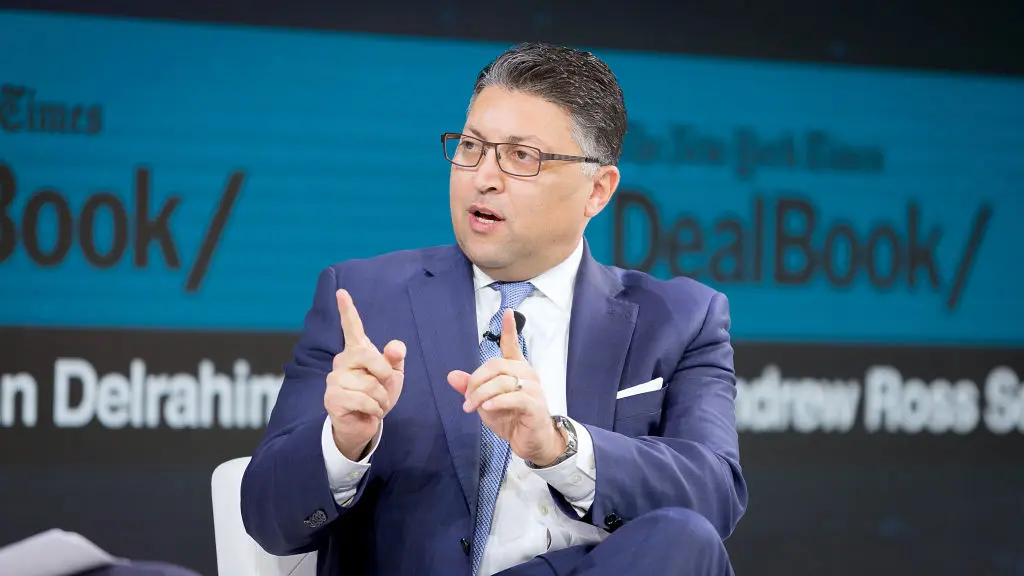
Paramount Skydance has publicly accused Netflix of orchestrating a 'scorched-earth campaign' to thwart its proposed merger with Warner Bros. Discovery (WBD). In a June 5 letter addressed to the U.S. Department of Justice's Antitrust Division, Paramount chief legal officer Makan Delrahim claimed that Netflix is trying to poison regulators and other stakeholders against the deal. The letter, first reported by Politico, describes Netflix's response as 'panic-level' and argues that the streaming giant's actions underscore how seriously it views Paramount as a competitor.
The merger between Paramount and WBD would create a media conglomerate with massive scale, combining Paramount's film and television studios, streaming services, and broadcast networks with WBD's extensive library and production assets. Proponents, including Delrahim, argue that the merger will lead to increased content production, more job opportunities, and greater competition in the streaming landscape. However, critics, including the International Brotherhood of Teamsters, have raised concerns about potential job losses, reduced content spending, and the accumulation of massive debt.
In a March letter to the DOJ, the Teamsters asked regulators to block the merger unless substantial safeguards are implemented to protect film and television workers. The union, which represents 1.3 million members, pointed to the Disney-Fox merger in 2019 as a cautionary tale, which they said resulted in eliminated production units, significant job losses, and canceled projects. Paramount's response, written by Delrahim, counters that the merger would actually increase job opportunities, not reduce them. He cited an increase in content production after Paramount merged with Skydance in 2025, noting that Paramount has purchased or renewed 20 shows and will nearly double its theatrical output in 2026 compared to the previous year.
Delrahim's letter paints an optimistic picture: 'More films and series in production means more call sheets, more location days, more transportation, casting, and catering work.' He emphasized that the merged company would not reduce headcount in production, studio operations, or skilled trade labor represented by unions. However, this rosy outlook directly contradicts Paramount's own January SEC filing, which explicitly stated that the combined Paramount-WBD expects to spend less on content in the long run. The filing noted a projected drop of less than 10 percent in content spending, though it claimed reductions would not come from film or TV studios. The filing also revealed that the merger would save over $6 billion in costs, primarily from eliminating duplicate back-office, finance, corporate, legal, technology, infrastructure, and real estate roles—inevitably leading to job losses in those areas.
The financial strain of the merger is significant: a combined Paramount and WBD would carry approximately $79 billion in debt. This massive leverage has raised eyebrows among analysts and industry observers, who question whether the merged company can sustain ambitious production targets while servicing such debt. Paramount CEO David Ellison has publicly promised to release at least 30 feature films annually, with each film holding a theatrical window of at least 45 days. He has been making this pledge since February, seeking to reassure investors and regulators of the company's commitment to theatrical distribution.
The Netflix Accusation and Its Context
The central accusation in Delrahim's letter is that Netflix has been actively trying to turn the Teamsters and other stakeholders against the merger. According to the letter, Netflix has argued that the Disney-Fox acquisition had a negative impact on content production and labor opportunities. Delrahim dismissed this as a 'sky is falling' narrative that departs from reality. He pointed to Disney's content spend increases—from $5 billion in 2019 to an expected $24 billion by 2026—as evidence that mergers can lead to more, not less, production. However, this comparison has been criticized for selective data use; Disney's 2019 SEC filing actually showed $7.104 billion spent on film and TV production and $10.517 billion on licenses and rights, while analysts put total content spend closer to $28 billion that year. By that measure, the 2026 projection would represent a significant decrease.
Netflix responded to the accusations by calling them 'absurd.' A Netflix spokesperson stated, 'We walked away from this deal months ago and remain focused on our own business, not theirs. Ultimately, it's up to the regulators to approve this deal and determine if it is in the best interest of the industry and all concerned.' Indeed, Netflix had backed out of its own deal to acquire Paramount in February, leaving the WBD merger as Paramount's primary path forward.
Labor Union Concerns and Antisemitism Allegation
The Teamsters have not commented on Delrahim's letter, but their initial stance remains clear: they want the merger blocked or heavily conditioned. Paramount, however, argues that the combined company's increased production will create more union jobs in virtually every craft, from drivers and location scouts to casting directors and animal handlers. Delrahim claimed that the merger would push competitors to also increase production, creating a rising tide for labor.
In a separate interview with the Los Angeles Times, Delrahim went further, accusing individuals campaigning against the merger of being motivated by antisemitism. He did not provide specific evidence but said, 'Let's be honest. There's a lot of fear-mongering, particularly from people in Washington, D.C. They are running a political campaign. Some of these people are trying to inflict harm on this transaction really because of their own antisemitic views. Regulators and law enforcement officials will see right through that.' This accusation has added a charged dimension to an already contentious regulatory review.
Historical Background and Regulatory Landscape
The proposed Paramount-WBD merger comes at a time of intense consolidation in the media and entertainment industry. Streaming giants like Netflix, Amazon, and Disney have reshaped the landscape, pushing traditional studios to combine to achieve scale. Paramount, which owns CBS, MTV, Comedy Central, and the Paramount film studio, has been seen as a prime acquisition target for years. WBD, formed by the 2022 merger of WarnerMedia and Discovery, brings brands like HBO, CNN, DC Comics, and the Warner Bros. film studio.
The DOJ's Antitrust Division, under the leadership of Assistant Attorney General Jonathan Kanter, has taken an aggressive stance against mergers it views as anticompetitive. The division has challenged several major deals, including the proposed merger of Penguin Random House and Simon & Schuster, which was ultimately blocked. The Paramount-WBD merger will likely face intense scrutiny, particularly given concerns about media concentration and the potential for reduced competition in streaming and advertising markets.
Makan Delrahim, the author of the letter, is a former assistant attorney general for the Antitrust Division under President Donald Trump. His insider knowledge of the regulatory process gives his letter additional weight, but also invites criticism that he is trying to unduly influence his former colleagues. Delrahim's accusation of a Netflix campaign is notable because Netflix, despite being a major streaming competitor, has largely stayed out of the public debate about the merger until now.
Content Production and Future Prospects
Proponents of the merger argue that a combined Paramount-WBD could better compete with Netflix and Disney by pooling resources and producing more content. Ellison has repeatedly stated that the new company would aim for at least 30 theatrical releases per year, compared to the current output of roughly 15–20 films from Paramount alone. This would be a significant boost to the film industry, potentially creating more work for actors, crew, and support staff. However, the reality of such ambitious plans depends on the company's ability to service its enormous debt and generate sufficient revenue from streaming and box office.
The streaming wars have already forced many companies to reassess their spending. Netflix, Disney+, and Amazon Prime Video have all trimmed content budgets in recent years as Wall Street demands profitability over growth. Paramount's own streaming service, Paramount+, has struggled to gain traction, and WBD's Max is still recovering from the tumultuous merger of WarnerMedia and Discovery. Combining the two might help achieve economies of scale, but it also risks creating a bloated organization that is slow to adapt.
Meanwhile, Netflix continues to dominate the streaming market with over 260 million subscribers globally. Its reticence about the Paramount-WBD merger may stem from genuine concerns about a strong competitor emerging, or it may simply be a natural reaction to a deal that could reshape the industry. Delrahim's letter seems designed to paint Netflix as a fearful bully, but the evidence he presents—such as the Teamsters' reliance on Disney-Fox examples—does not conclusively prove a coordinated campaign.
As the DOJ reviews the merger, it will examine the potential impact on competition, labor, and consumers. The outcome is uncertain, but the battle lines are drawn: Paramount and WDB on one side, with unions and—according to Paramount—Netflix on the other. The coming months will reveal whether the merger proceeds, is blocked, or is allowed with conditions.
Source:Ars Technica News